
Three of four Americans profess at least one paranormal belief, studies show, including a belief in ghosts, witches, or other magical entities.¹ There is a particular genre of folklore narratives called mythological legends, I recently learned, which are stories relayed as real experiences by real people, and which always involve paranormal elements such as highly unusual animals or ghosts. These specific kinds of folklore narratives are not historical, notes Evija Vestergaard, Ph.D., who researches mythological legends and links them to contemporary culture; rather they are about everyday people and their everyday experiences, which just happen to involve these fantastic creatures or components.
Swiss folklorist Max Luthi speculated on why these two different types of narratives, mythological legends folktales, have co-existed², Evi told me recently in an interview together. While folktales tend to be more heroic, and usually have happy endings, mythological legends tend to be non-heroic. In fact, mythological legends are linked to what is referred to in depth psychology as the “shadow” since they often are about parts of ourselves we wouldn’t want anyone to know about. Either way, there is a “need of the soul” at work in both, which can reveal powerful perspectives on individual shadow, group trauma, and cultural complexes.
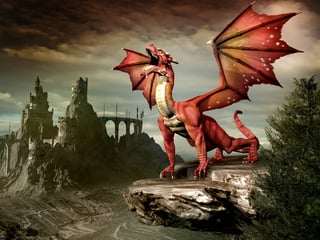 During our conversation, Evi shared a mythological legend related to her own native country and culture of Latvia, which involved a farmer who drove to the capital because he wanted to buy a dragon. The farmer went into a little shop where dragons were sold, the story goes, and the shopkeeper gave him a package wrapped in paper, and told him there was a dragon inside. The farmer gladly paid and left, but on the way home, he got very curious and decided to open the package so he could see the dragon. Upon doing so, he was surprised and disappointed to discover the package contained horse dung instead. The farmer was so incensed, he threw the bundle into the forest.
Remember, Evi declared upon recounting this tale, this was a true story that actually happened to someone. That is what makes.... (Read the full post here at Pacifica Post)
